
Free E-Learning Course
Learning from the Evidence on Forced Displacement
Forced displacement has upended the lives of more than 100 million people globally. Policies that facilitate durable solutions for host and displaced communities alike are based on strong evidence. Enroll in our course on the World Bank Open Learning Campus to study the policies that have worked in forced displacement settings.
The course consists of eight self-standing modules prepared by World Bank and UNHCR technical staff, and esteemed research partners, including Columbia University, ODI, and the American Institutes of Research. The modules are based on research commissioned by the UK-UNHCR-World Bank Building the Evidence on Forced Displacement program.
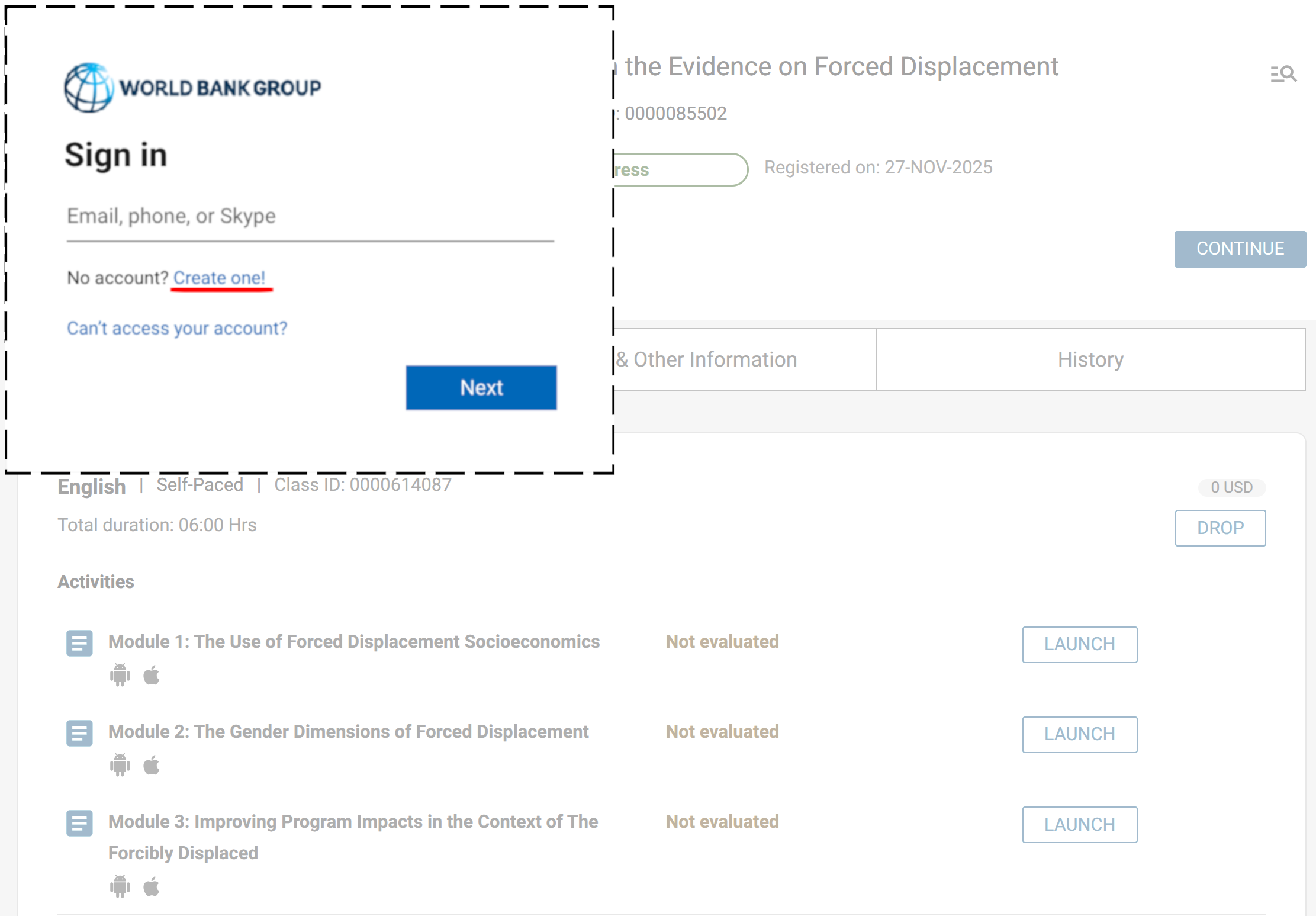
Click on “Create one!” below the text input field to register for the World Bank Group Open Learning Campus using your personal email address.
After signing up, if you don’t see the “Launch” button on the modules, scroll down and click “View summary.”

100% Self-Paced
Study on your schedule. No deadlines or live sessions—you control the pace from start to finish.

Free Certification
Access all materials at no cost and earn a certificate upon completion to showcase your new skills.
Learn With Experts
The course has been developed by Domenico Tabasso (World Bank – UNHCR Joint Data Center on Forced Displacement) and Paola Elice (FCDO – UNHCR – World Bank Building the Evidence on Forced Displacement Research Program) with the contribution of researchers and professionals affiliated with leading, internationally recognized institutions:
Africa Coromoto Sanchez Briceno (UNHCR)
Andrea Coombes (American Institutes for Research)
Arlen Guarin (World Bank)
Chinmaya Holla (American Institutes for Research)
Chloë Fernandez (World Bank)
Christy Lowe (ODI)
Cirenia Chavez Villegas (UNHCR)
Constanze Quosh (UNHCR)
Damalie Zalwango (UNHCR)
Diana J. Arango (World Bank)
Erik Wibbels (University of Pennsylvania)
Fernando Xavier Montenegro Torres (World Bank)
Florence Nimoh (UNHCR)
Gina Kosmidou-Bradley (UNHCR)
Goleen Samari (University of South California)
Guy Grossman (University of Pennsylvania)
Hannah Ring (American Institutes for Research)
Jan von der Goltz (World Bank)
Jeni Klugman (Brookings Institution)
Jessica Hagen-Zanker (ODI)
Jocelyn Kelly (Harvard Humanitarian Initiative)
Kirsten Schuettler (World Bank)
Luz Stella Rodriguez Novoa (World Bank)
Marcus Holmlund (World Bank)
Mattia Polvanesi (UNHCR)
Mike Woodman (UNHCR)
Monette Zard (Columbia University)
Nausheen Khan (World Bank)
Noah Yarrow (World Bank)
Paolo Verme (World Bank)
Paulo Sérgio Almeida (UNHCR)
Sebastian Steinmuller (UNHCR)
Stephen Winkler (World Bank)
Theresa Beltramo (UNHCR)
Verena Phipps (World Bank)
Wu Zeng (Georgetown University)
Webinar Modules
The training program “Learning from the Evidence on Forced Displacement” is available as an e-learning course on the World Bank Open Learning Campus (subscription required) and as an open-access 📚 reading list, 📊 presentations, and 🎬 video webinars on the World Bank Group website.
Check our modules and links below.
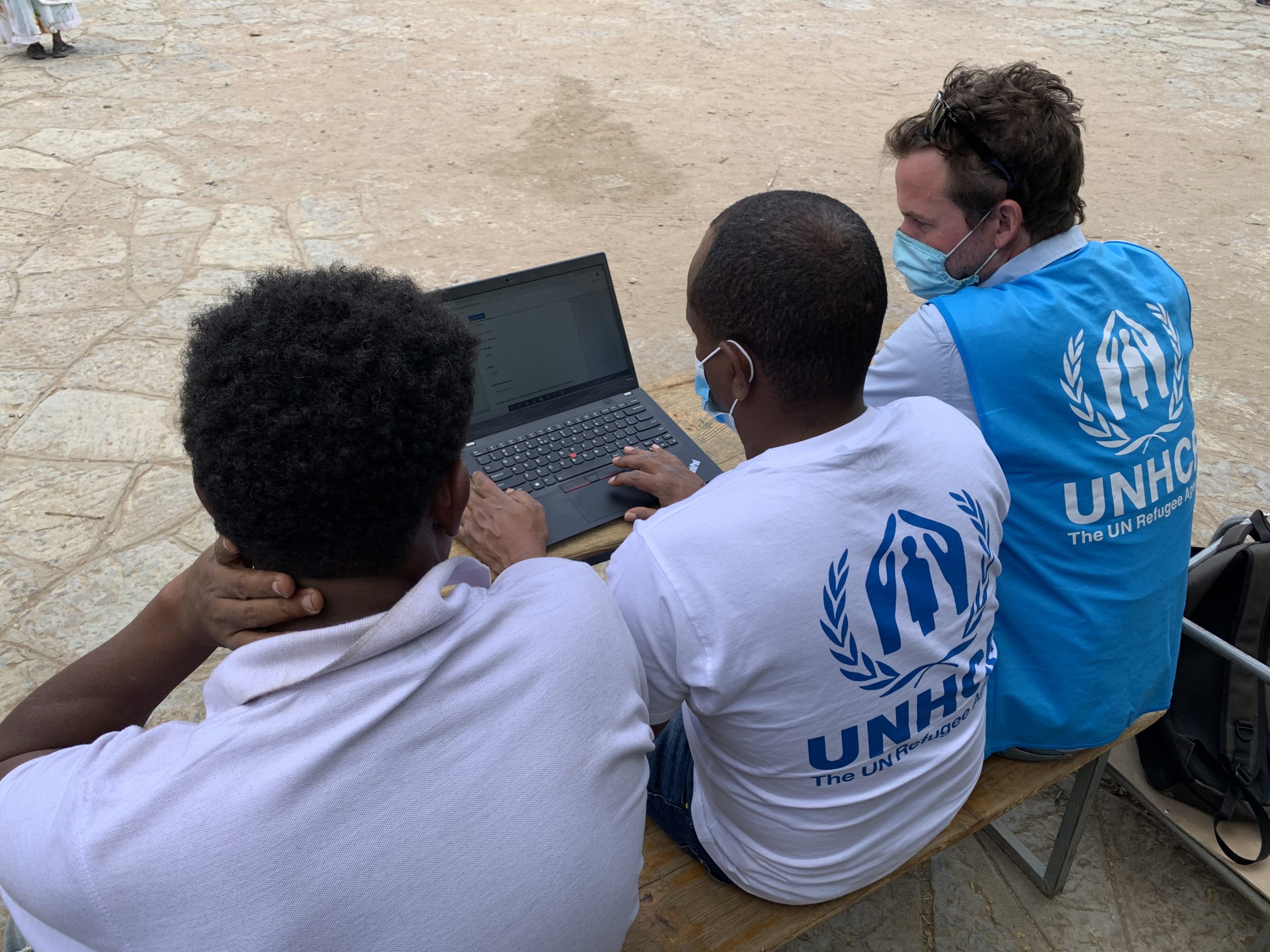
The Use of Forced Displacement Socioeconomics
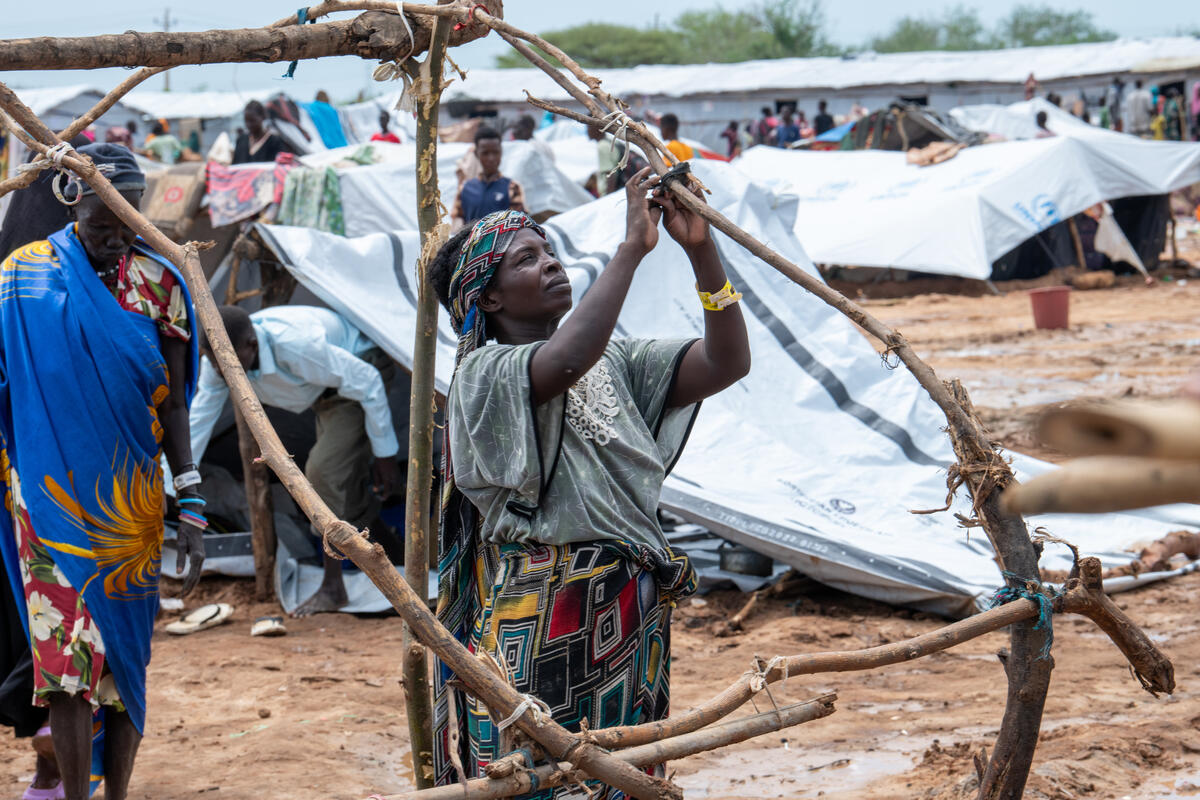
The Gender Dimensions of Forced Displacement
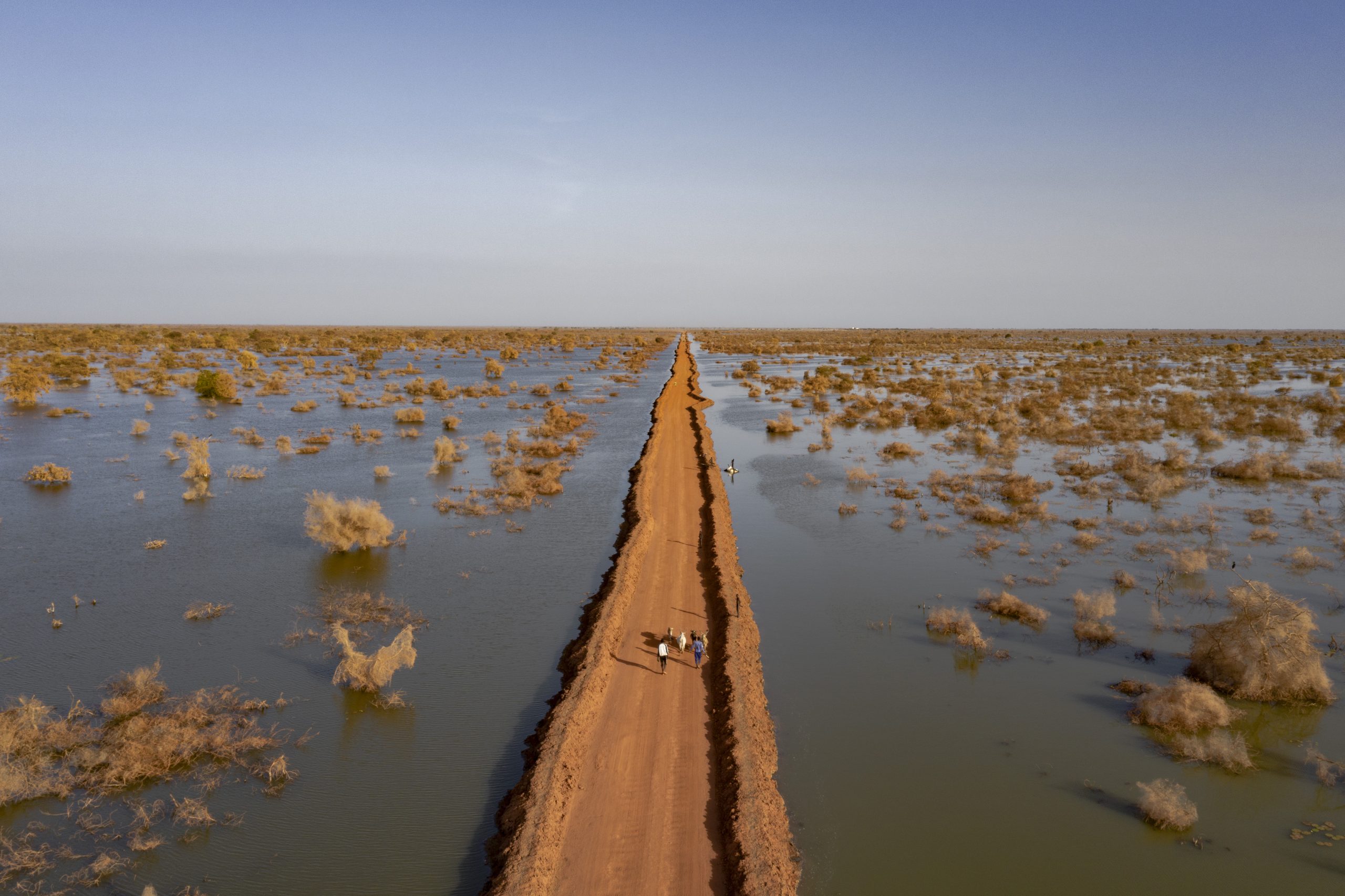
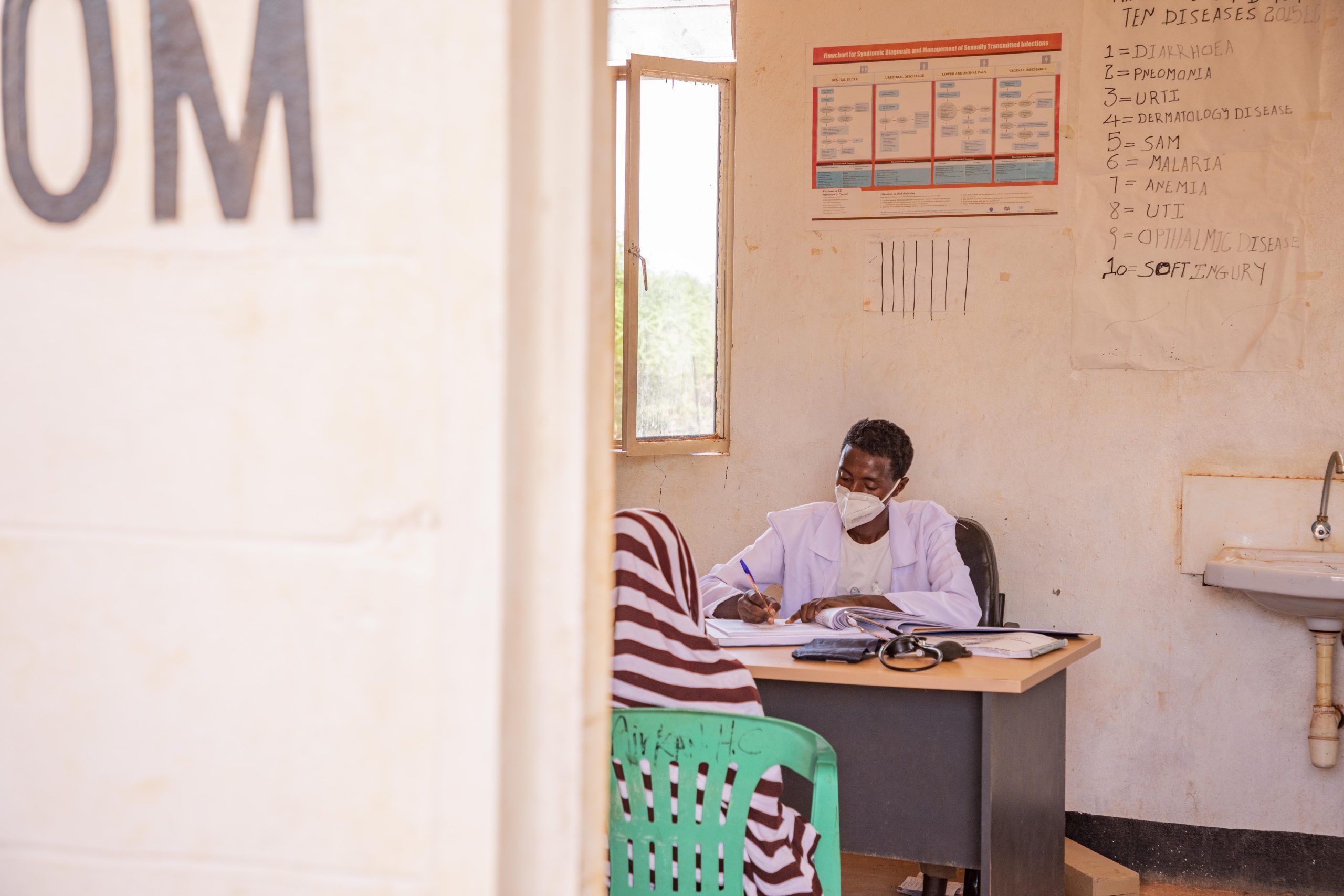
Strengthening Health Systems in Situations of Protracted Forced Displacement
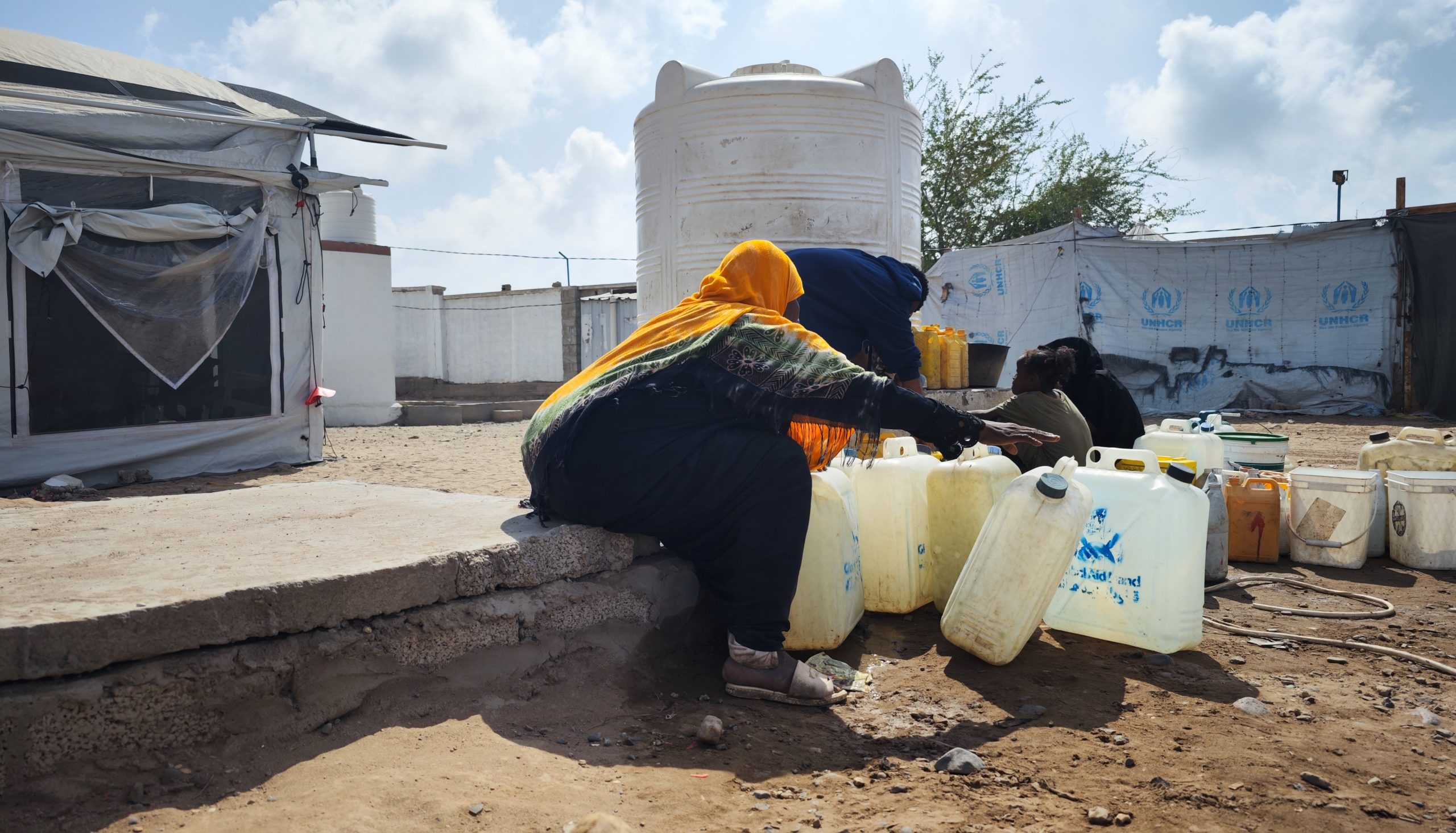
Social Protection Responses to Forced Displacement
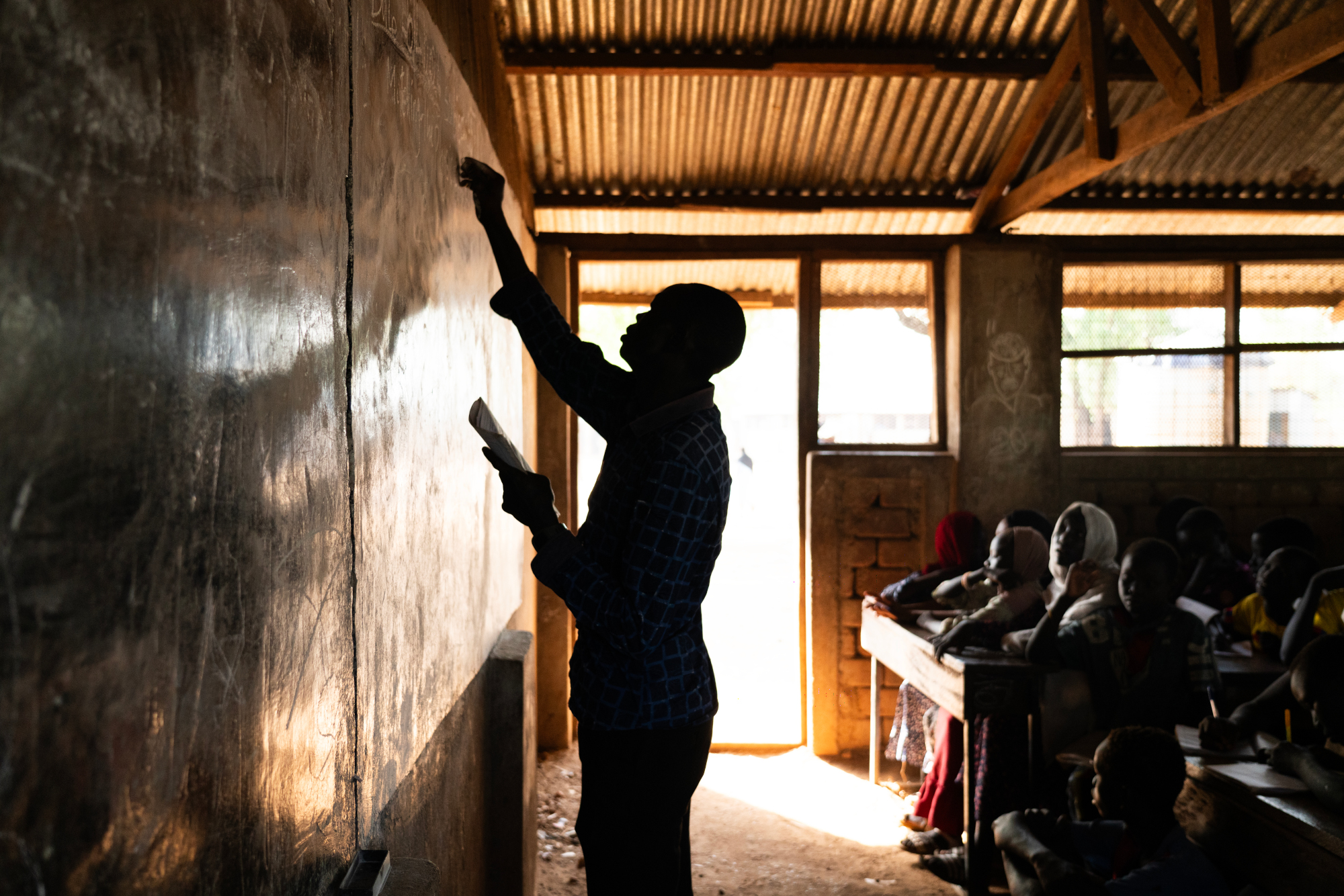
Evidence in the Education Sector
Explore approaches to including displaced populations in national education systems, drawing on American Institutes for Research (AIR) work to review existing evidence, examine education costs and case studies from Colombia and Chad, and identify barriers and facilitators to system-wide inclusion.
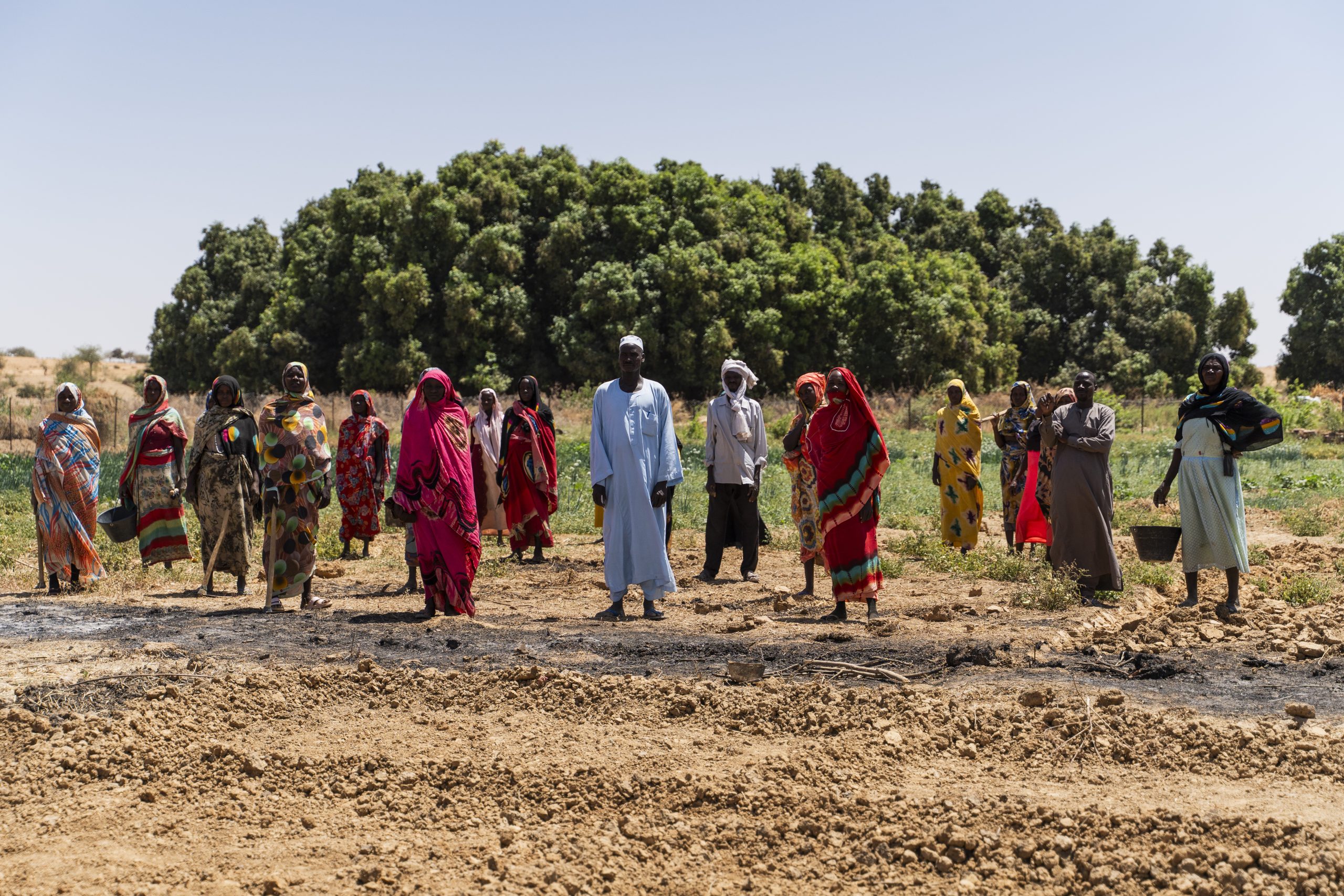
Forced Displacement and Social Cohesion