

Speaker Bios
© UNHCR/Natalia Jidovanu
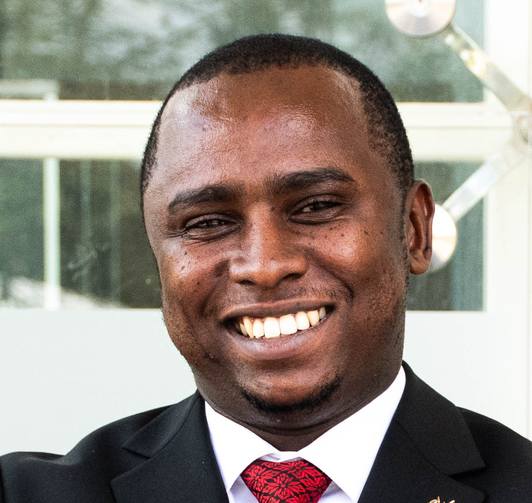
Allan Munyao Mukuki
Allan Munyao Mukuki is a Kenyan advocate, legal academic, researcher, and consultant with more than 10 years of experience in refugee law, forced migration, human rights, and public international law. He directs the Forced Migration and Displacement Research Hub at Strathmore Law School and serves as Board Chairperson of HIAS Kenya. His work bridges legal research, policy development, and refugee protection across Kenya and the East African region. Allan has advised the Intergovernmental Authority on Development (IGAD) on a regional refugee management framework and contributed to the Nairobi Refugee Integration and Community Building Strategy. His research covers asylum protection, non-refoulement, refugee inclusion in labor markets, housing, land and property rights, climate displacement, and durable solutions. He has worked with organizations including the Refugee Consortium of Kenya, Kituo Cha Sheria, the Regional Durable Solutions Secretariat (ReDSS), and the Norwegian Refugee Council. He has recently completed his Doctor of Laws degree and was a Visiting Fellow at Oxford University’s Refugee Studies Centre.
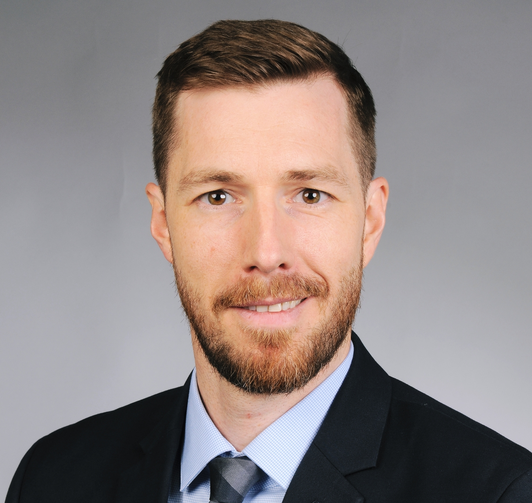
Christopher Ward
Christopher Ward is an Associate Researcher with the International Institute for Environment and Development (IIED) and a Postgraduate Researcher at the Institute of Development Studies (IDS) at the University of Sussex.
A member of IIED’s Migration and Displacement research team, his work examines policy and programming for both refugees and IDPs residing in urban settings. He is particularly interested in forced displacement into informal settlements and crisis-affected urban contexts. Over the past 20 years, he has worked across relief, recovery and reconstruction efforts in a range of post-disaster and post-crisis contexts, including Kenya, Uganda, Sudan, Burkina Faso, Haiti, Mali, Nepal, Niger and Senegal.
Christopher is currently a doctoral candidate at IDS. He holds a master’s degree in international affairs from The George Washington University and a bachelor’s degree in political science from the University of Iowa.
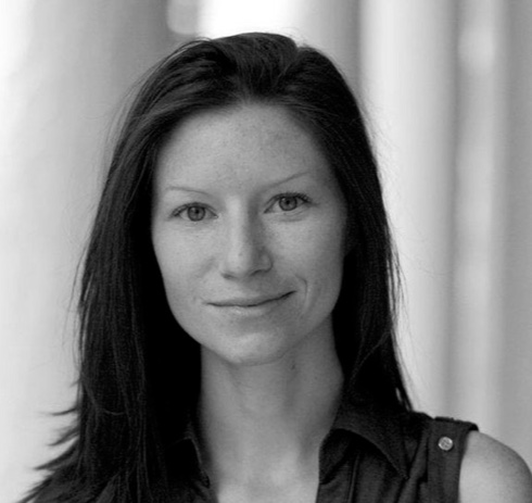
Christine Mahoney
Christine Mahoney is Professor of Public Policy and Politics at the Frank Batten School of Leadership and Public Policy, Director of Social Entrepreneurship at the University of Virginia, and a member of the Refugee Investment Network (RIN) Steering Committee.
She studies social justice advocacy, activism, and direct action through social entrepreneurship. Her first book, Brussels vs. the Beltway (Georgetown University Press), explored how advocates shape public policy in two of the world’s most powerful political systems: the United States and the European Union.
For her second book, Failure and Hope: Fighting for the Rights of the Forcibly Displaced (Cambridge University Press), Christine conducted fieldwork in seven conflict zones across Asia, Africa, Eastern Europe, and Latin America. The book argues for advancing social entrepreneurship for the 60 million people displaced by violent conflict worldwide.
Christine has been a Fulbright Fellow, a Visiting Scholar at Oxford, a National Science Foundation grant recipient, and a recipient of the Emerging Scholar Award from the American Political Science Association.

Francis Nderitu
Francis Nderitu is Founder and Managing Director of Keep IT Cool, formerly Raino Tech4Impact. He leads a Kenyan climate-tech enterprise delivering solar-powered refrigeration and smart distribution services to smallholder farmers across East Africa, with a dedicated focus on displaced farming and fishing communities in Turkana County.
Winner of the 2024 Earthshot Prize, he has more than 13 years of experience using technology to reduce post-harvest losses, strengthen food supply chains, and support underserved communities across Africa. His work has been recognized with multiple awards, including the Sankalp Award, Google Black Founders Fund, and AfDB Enable Youth Champion.
Raised on a farm, he combines technological expertise with a deep understanding of agricultural challenges to develop climate-smart solutions that improve farmer productivity and incomes.

Irene Shiundu
Irene Shiundu is a migration and displacement legal expert with more than10 years of experience across East and Horn of Africa and the Great Lakes Region. Her expertise spans program development and management, policy and advocacy, migration governance, systems strengthening, human rights, litigation strategies, gender and development for displacement-affected communities in both fragile and complex contexts.
Her leadership managing diverse donor-funded programs has consistently shaped reforms, strengthened multi-partner coordination, and delivered measurable impact in humanitarian and development programming.
Irene currently leads policy and advocacy reform efforts in East Africa with the International Rescue Committee.
Kristina Vaughan
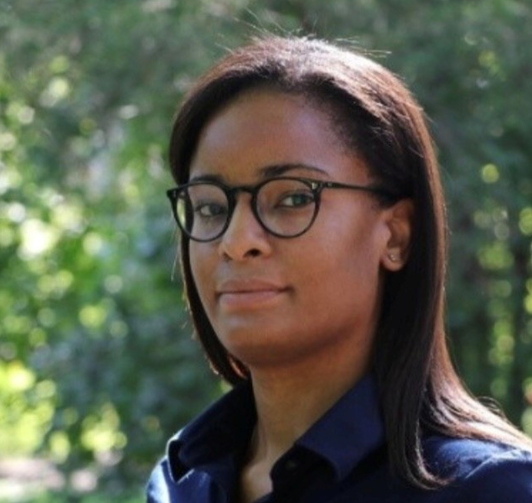
Kristina Vaughan is an Economist at the World Bank Group working in the East and Southern Africa Region. As Poverty Economist for Uganda, she has conducted research with UNHCR and WFP on challenges facing refugees and host communities in Uganda, as well as on refugee and host community issues in Ethiopia. Her research examines the economic and policy dimensions of displacement and explores how best to support refugees’ self-reliance and the communities that host them.

Mary W. Kibugi
Mary W. Kibugi is the Founder and Director of K De Igratium International (KDII), a women-owned social enterprise based in Kakuma, Turkana County, Kenya, that empowers women and youth in refugee and underserved communities across Arid and Semi-Arid Lands (ASALs). KDII leverages technology and innovation to transform indigenous artisanal and technical skills into market-driven, eco-friendly enterprises. Central to KDII work is the local production of KDII reusable sanitary pads, integrated with education and enterprise development to support menstrual health and well-being while creating skills, employment, and income opportunities for women and youth.
Mary brings more than 20 years of senior leadership and private-sector experience across Africa, including leadership roles with Procter & Gamble (P&G), Frigoglass, and Philips. At P&G, she led the “Keeping Girls in School” initiative, which received a P&G Global CSR Award.
Her leadership and innovation have earned several awards, including the Africa Woman Innovation Award from the African Union and the United Nations Educational, Scientific and Cultural Organization (UNESCO) and the Gender Equality Innovator Award from the International Finance Corporation’s Kakuma Kalobeyei Challenge Fund, for her contribution to private-sector action for public good. Mary also serves on the Kenya National Chamber of Commerce and Industry (KNCCI) National Women in Business Committee, contributing to the advancement of women-led enterprises and inclusive economic development.

Maarouf Issaka-Tour
Maarouf Issaka-Toure is Senior Data, Identity Management and Analysis (DIMA) Coordinator at UNHCR’s Regional Bureau for Eastern and Southern Africa, where he leads data, identity management, and analysis across the region. During more than 20 years with UNHCR, he has held field, regional, and headquarters roles and led the design of core data systems, including UNHCR’s registration and case-management platform, PRIMES. He has also helped build data partnerships with the World Bank, including the Identification for Development (ID4D) initiative and the World Bank Group-UNHCR Joint Data Center on Forced Displacement.
Masud Rahman
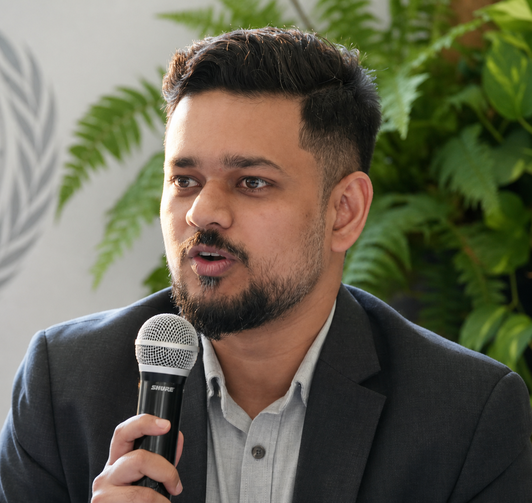
Masud Rahman is regional statistician at UNHCR’s Regional Bureau for Eastern and Southern Africa, based in Nairobi. He coordinates refugee population statistics across the region and provides technical leadership on socioeconomic, intentions, and results monitoring surveys, with a focus on sampling hard-to-reach populations, welfare monitoring, and standardizing data collection systems.
His work also covers the inclusion of refugees in national statistical systems, including through partnerships with national statistics offices and regional economic bodies. Prior to his current role, Masud worked with UNHCR as a country-based economist in Bangladesh and Kenya. He has more than 12 years of experience in applied research across international development and humanitarian settings.
A Fulbright Scholar, Masud holds degrees in economics and international political economy and development from Fordham University.

Matthew Stephens
Matthew Stephens is a Lead Social Development Specialist in the World Bank’s East & Southern Africa Region. He leads programs on community and local development and social inclusion, with a focus on forced displacement in the Horn of Africa and Great Lakes Regions. He has published on conflict and development, community access to justice, dispute resolution, and Islamic Law.
Precious Zikhali
Precious Zikhali is a Senior Economist with the World Bank’s Poverty and Equity Global Practice, based in Nairobi, Kenya. A development and environmental economist by training, she has extensive experience using data and evidence to inform policies aimed at ending extreme poverty and promoting equity.
Precious has worked extensively with national statistical offices and governments across a range of low- and middle-income countries to advance evidence-based decision-making. She currently leads the Kenya Analytical Program on Forced Displacement (KAP-FD), which focuses on producing socioeconomic panel data, evaluating interventions, and providing policy recommendations to improve the livelihoods of refugees and host communities.
Before joining the World Bank in 2013, Precious held roles in the public and international development sectors, including at the National Treasury of South Africa, the Amsterdam Centre for World Food Studies, and the International Water Management Institute. She also served as a lecturer and researcher in the Department of Economics at the University of Zimbabwe.
Precious holds a PhD in Economics from the University of Gothenburg, Sweden.
Rosemary Chepkoech
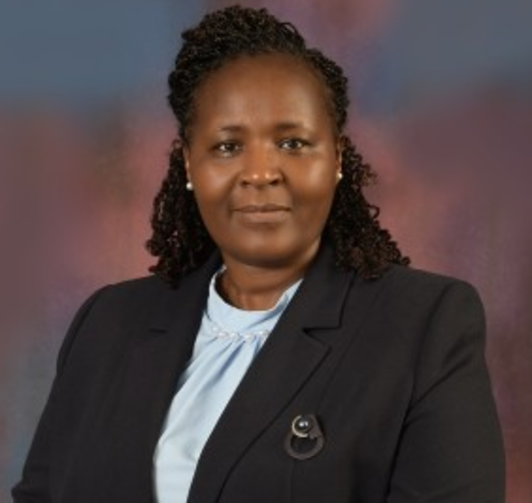
Rosemary Chepkoech is a seasoned statistician with 30 years of experience in statistical production and management. As Director of Population and Social Statistics at the Kenya National Bureau of Statistics, she oversees the compilation and analysis of complex national datasets that inform policy and development planning in Kenya.
She holds a Master of Economics degree from the University of Nairobi and is pursuing a PhD in Economics at Kenyatta University. She is an accredited statistician with the Statistical Society of Kenya and a certified Quality Management System Internal Auditor, championing the implementation of ISO 9001:2015 within the Bureau.
Her expertise includes statistical survey design, research methodology, and analytical reporting, with focus on population, social, and macroeconomic indicators. She has contributed to landmark national statistical programs including the Kenya Population and Housing Censuses, Kenya Demographic and Health Surveys, Kenya Integrated Household Budget Surveys, and Kenya’s first National School Census.
Regionally, Rosemary provided critical technical support for the development of the East African Monetary Union Protocol and the East African Community Statistical Database. She has also shaped national policy through her service on the Presidential Committee reviewing Kenya’s new university funding model.
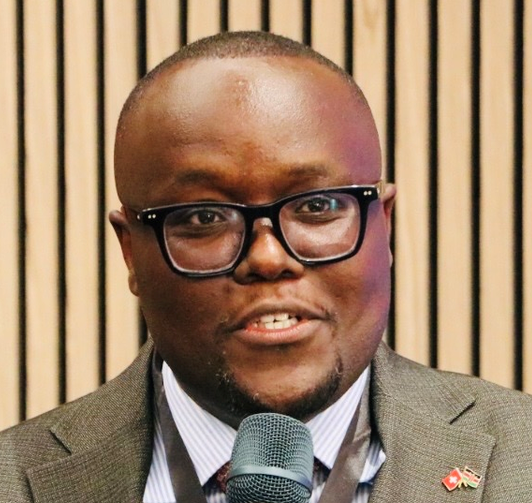
Rufus Karanja
Rufus Karanja is a forced migration and development expert with more than 16 years of experience across East and the Horn of Africa, with expertise in migration governance, and humanitarian and development programming.
He currently serves as a Program Officer at the Embassy of Switzerland, supporting humanitarian and development programming and policy dialogue in Kenya and Somalia.
His work focuses on bridging policy, programming, and practice, using evidence and operational experience to inform action, and bringing diverse voices – including government authorities, donors, private sector actors, and displacement affected communities – into policy conversations.
Rufus is an experienced moderator and speaker on forced migration, development policy, and humanitarian response in fragile contexts, with experience facilitating discussions at regional and international forums. His approach is grounded in clarity, inclusivity, and connecting the perspectives of policymakers and practitioners with those of people with lived experience of displacement.
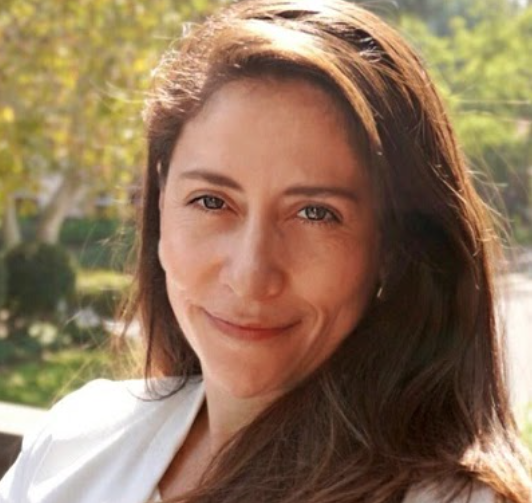
Sandra V. Rozo
Sandra V. Rozo is a Senior Economist in the Development Research Group at the World Bank. She is also a Faculty Affiliate at the Center for Effective Global Action (CEGA) at the University of California, Berkeley, and Evidence in Governance and Politics (EGAP); a Research Fellow at IZA; and an Associate Editor of the Journal of Development Economics.
Her research examines how forced displacement affects development and how displaced populations and host communities can be effectively supported. She co-founded major studies on forced migration, including VenRePs and the Syrian Refugee Life Study, and contributed to the World Development Report 2023.
Sandra received the 2024 Juan Luis Londoño Award, presented biennially to Colombians under 40 whose work has significantly improved welfare in Colombia. Her research spans Latin America, the Middle East, Southeast Asia, and Africa, and includes multiple randomized control trials.

Sharon Apio
Sharon Apio is Head of the Department of Demography and Social Statistics at the Uganda Bureau of Statistics (UBOS) and has more than 10 years of experience in statistical production and development. She holds a Master’s degree in Population and Reproductive Health and a Bachelor’s degree in Statistics, both from Makerere University.
She began her career as a data analyst at M&E Consultants in Kampala before joining UBOS as a statistician for the 2014 National Population and Housing Census. Since then, she has managed and contributed to several data collection efforts focused on refugee inclusion. These include the Uganda Demographic and Health Surveys 2011, 2016, and 2022; the 2014 and 2024 National Population and Housing Censuses; the National Labour Force Surveys; and the Uganda National Household Surveys of 2019/20 and 2023/24.
She is committed to inclusive and integrated approaches to data collection and to producing statistics that inform evidence-based planning and policy formulation. Her work places particular emphasis on ensuring no one is left behind–particularly children, older persons, persons living with disabilities, refugees, and indigenous populations.

Wanji Ng’ang’a
Wanji Ng’ang’a is a pioneering voice in impact investing and sustainable development and serves as Associate Director of Investing at Acumen, a global leader in deploying philanthropic capital to fuel transformative, early-stage enterprises. With more than $154 million invested into 167 companies, Acumen’s work has impacted the lives of over 500 million people across Africa, Latin America, South Asia, and the United States.
At Acumen, Wanji leads investment strategy and teams that identify, fund, and scale innovative companies operating at the intersection of poverty, climate, and economic opportunity. Her work spans high-potential ventures in education, agriculture, and renewable energy–powered appliances, supporting solutions that can scale commercially while delivering meaningful social value.
With nearly 15 years of experience, including 10 years in the off-grid energy sector, Wanji has shaped the growth of leading enterprises and ecosystems, expanding access to clean, affordable energy. Previously, she was Regional Manager for East Africa at the Shell Foundation, where she defined regional strategy and grew a portfolio of ventures across household energy, productive-use technologies, and sustainable mobility.
Her earlier work advancing off-grid lighting solutions across Africa, Latin America, and the Pacific reflects a career-long commitment to unlocking markets for underserved communities. She has worked with organizations including the Global Off-Grid Solar Association (GOGLA) and Sun King, championing sector-wide advocacy, innovative financing, and market expansion for early-stage energy enterprises.
Wanji holds a degree in International Business Administration from the United States International University, an Impact Investing certification from the University of Oxford, and a Master’s in Development Finance from the University of Cape Town.