

Evidence to Inform Refugee and Host Community Inclusion and Self-Reliance
A Regional Dialogue on Operations and Policy in East Africa
Co-convened by

The World Bank, UNHCR, and the World Bank-UNHCR Joint Data Center on Forced Displacement (JDC) will convene a regional dialogue in Nairobi on 15–16 September 2026.
The dialogue will bring together government representatives, national statistical offices, operational teams, researchers, development and humanitarian partners, and the private sector from Kenya, Uganda, and Ethiopia. Discussions will examine how evidence can better support refugee and host-community inclusion and self-reliance, focusing on national reform agendas, inclusive data systems, transitioning refugee camps with parallel services to sustainable settlements with integrated services for refugees and their hosts, as well as job creation and scaling up private sector investment.
The event will also explore how evidence can inform policy, operations, and investment decisions, while identifying shared priorities and evidence gaps across the three countries.
The Dialogue is supported by Mastercard Foundation, the PROSPECTS Partnership (Netherlands), and the World Bank–UNHCR Joint Data Center on Forced Displacement (Denmark, European Union, and Conrad N. Hilton Foundation).
Regional Dialogue Details
Dates: 15–16 September 2026
Location: Nairobi, Kenya
Format: Two-day, in-person event
Program
Day 1 |
Description/Focus | Speakers/Format | Moderator |
|---|---|---|---|
| 8:00-8:45 | Arrival, registration, morning coffee |
||
| 9:00-9:45 |
Opening and strategic framing
|
Brief opening remarks from:
|
Event facilitator: Rufus Karanja (Embassy of Switzerland) |
| 9:45-11:00 |
Contextualizing 50 by 35 and self-reliance for East Africa
What does self-reliance mean in practice, and what should be measured?
|
|
Precious Zikhali, World Bank Group |
| 11:00-11:30 | Tea break |
||
| 11:30-13:00 |
Evidence to advance policies: A comparative government discussion
|
|
Chris Gabelle, World Bank Group Anna Leichtfried, UNHCR |
| 13:00-13:15 | Dialogue group photo |
||
| 13:15-14:00 | Lunch break |
||
| 14:00-15:00 |
Making displacement data visible in national data systems and usable for policy and programming
|
|
Maja Lazić, JDC Precious Zikhali, World Bank Group |
| 15:00-16:30 |
Operationalizing sustainable human settlements for refugees and hosts: Practical solutions
|
|
Carlos Mejia, World Bank Group |
| 16:30-17:00 | Wrap-up session |
Chris Gabelle, World Bank Group Maja Lazic, JDC |
|
Day 2 |
Description/Focus | Speakers/Format | Moderator |
|---|---|---|---|
| 8:00-8:45 | Arrival, registration, morning coffee |
||
| 09:00-10:30 |
Pathways to scale jobs and private sector engagement
|
|
Michel Botzung, IFC-UNHCR Joint Initiative |
| 10:30-11:30 |
Economic inclusion and self-reliance pathways:
|
|
Katie Ogwang, UNHCR |
| 11:30-12:00 | Tea break |
||
| 12:00-13:00 |
Country case studies
|
|
Yaye Ndao, World Bank Group |
| 13:00-14:00 | Lunch |
||
| 14:00-15:00 |
Predictive modeling: Strengthening preparedness for refugee inflows – lessons from Uganda
Related resources: |
|
Marije Van Kempen, UNHCR Regional Bureau |
| 15:00-16:00 |
How evidence enters policy and operationsWhat evidence do policymakers and operational teams need but not have?
|
|
Domenico Tabasso, JDC |
| 16:00-16:30 | Reflections from government officials: Kenya, Uganda, Ethiopia |
Anna Leichtfried, UNHCR Regional Bureau | |
| 16:30-17:00 | Key takeaways and closing |
|
Chris Gabelle, World Bank Group & Maja Lazic, JDC |
Speakers
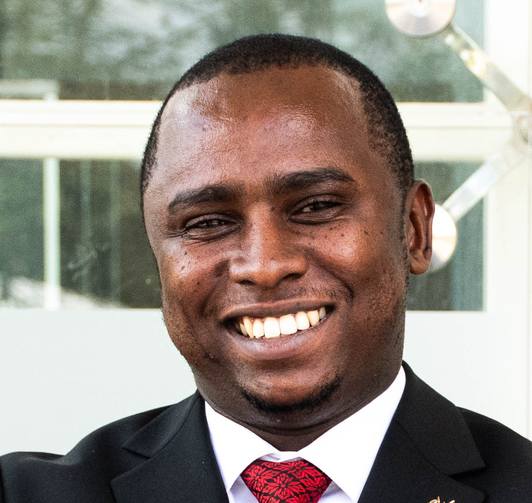
Allan Munyao Mukuki
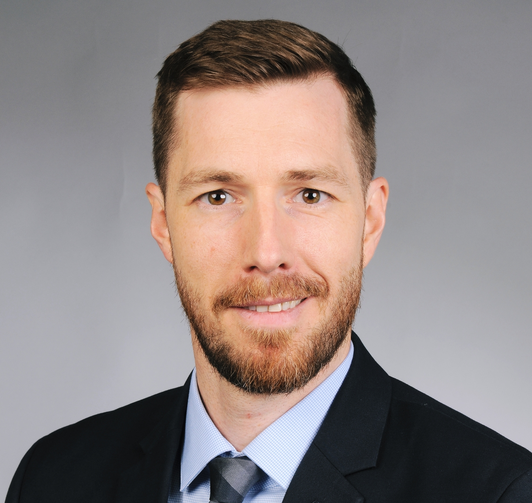
Christopher Ward

Christine Mahoney
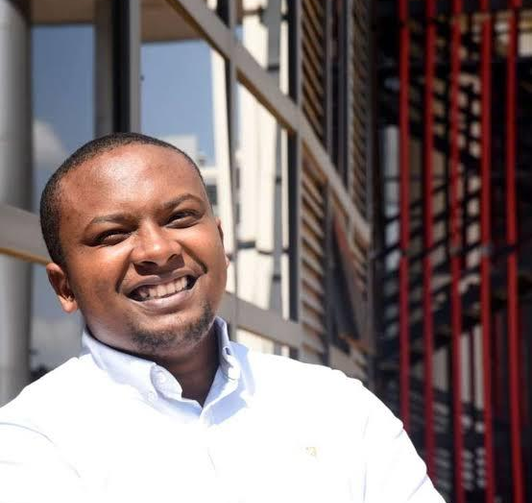
Francis Nderitu

Irene Shiundu
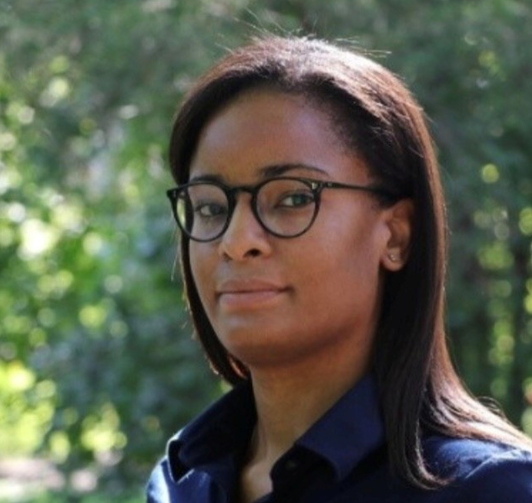
Kristina Vaughan

Maarouf Issaka-Toure

Mary W. Kibugi
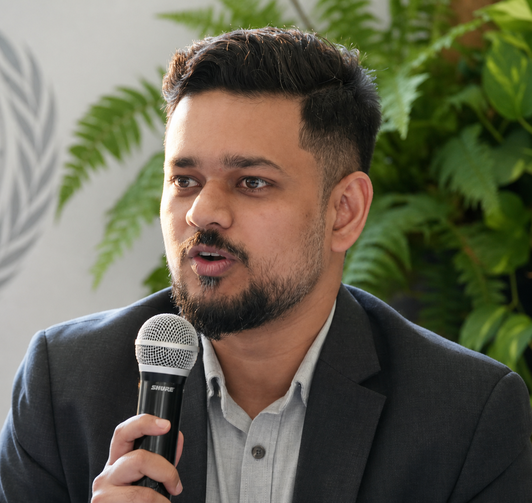
Masud Rahman

Matthew Stephens
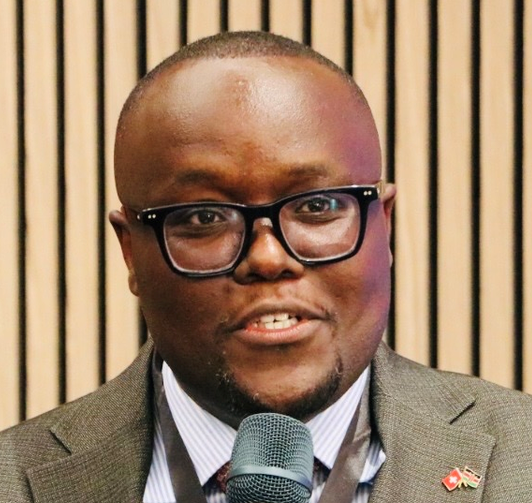
Rufus Karanja
Precious Zikhali
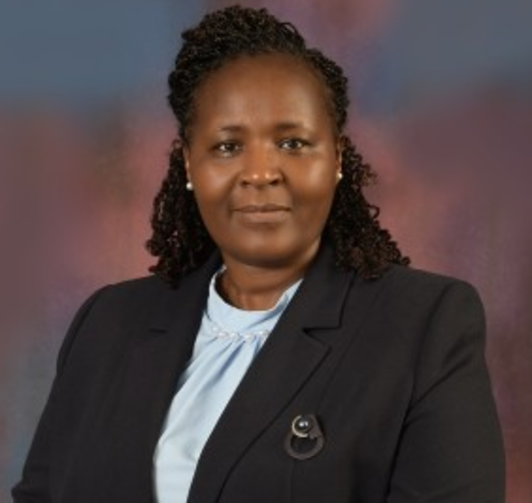
Rosemary Chepkoech
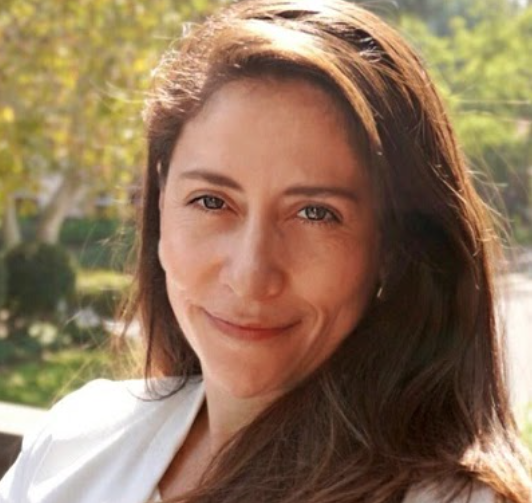
Sandra V. Rozo

Sharon Apio

Wanji Ng’ang’a