

Blogs and Special Features

Including refugees and IDPs in national data systems
Authored by Natalia Krynsky Baal “ The recent endorsement of international statistical recommendations on refugees and IDPs will help systematise the inclusion of these vulnerable groups in national policy and development agendas. Much work needs to be done, however,...

Aligning humanitarian surveys with international statistical standards
Authored by Felix Schmieding "There are huge benefits to be gained from producing statistics that are familiar to, and usable by, governments and other development partners." When the Kenya National Bureau of Statistics published labour force statistics from its...
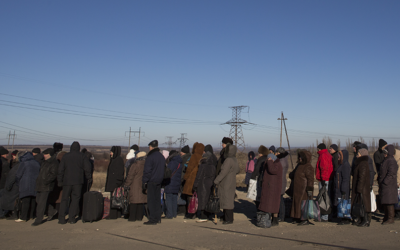
World Bank’s ongoing engagement through the Expert Group on Refugee and IDP Statistics (EGRIS)
Authored by Natalia Krynsky Baal, Emi Suzuki & Caroline SergeantPhoto:© UNHCR/John Wendle After a large increase in the mid-2010s, the number of refugees worldwide continues to break records. It was estimated that there were 26 million refugees worldwide in...
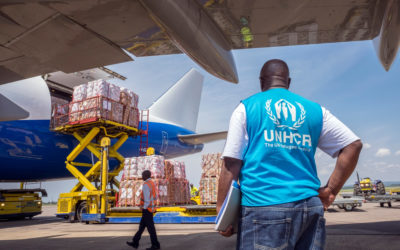
Data for what? Informing policymaking for forced displacement
Authored by Björn Gillsäter and Prof. Peter Kagwanja As we mark the World Statistics Day on October 20, 2020, the global displacement crisis is at its all-time high. Currently, one per cent of the world’s estimated 7.8 billion people are forcibly displaced...

Supporting evidence-driven responses to COVID-19
Authored by Domenico Tabasso The challenges of gathering data about displaced people and host communities are further complicated in the context of the COVID-19 pandemic. However, the need to assess the impact of the pandemic is also driving innovations in...

Global data center poised to improve responses to displacement
Nearly 90 per cent of the displaced are living in the developing world, many trapped in protracted displacement situations. By June 2019, the Horn of Africa hosted over four million refugees and twice the same number of IDPs.