

Refugees in the Republic of Moldova bring experience, qualifications and a determination to rebuild their lives. Removing the barriers that keep them from working can benefit refugees, employers and the country’s economy.
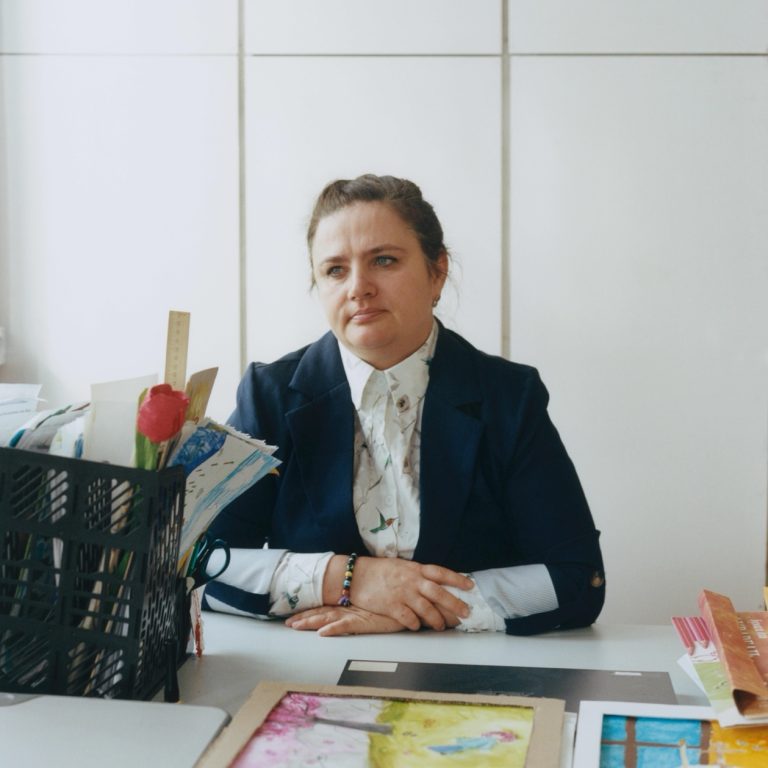
When Tatiana fled Ukraine and arrived in Moldova, she found herself in unfamiliar surroundings. Returning to her profession as a teacher helped her recover something displacement had taken away: stability.
“Starting over was frightening at first,” she says. “You arrive somewhere new and suddenly everything familiar disappears. Work helped us feel stable again.”
Employment has given Tatiana more than an income. It has helped restore her independence, dignity and professional identity.
Her experience reflects that of many people forced to flee who have lost their homes, but not their skills, ambitions or willingness to contribute.
Skills waiting to be used
More than 80 per cent of working-age refugees from Ukraine in Moldova have professional experience, while approximately three-quarters hold higher education or vocational qualifications. Yet only around one-third have found paid work, whether formal or informal, since arriving.
This gap does not reflect a lack of motivation or talent.
Language barriers, limited childcare, difficulties obtaining recognition of qualifications and restricted access to employment services can stand in the way of refugees finding suitable work. These obstacles also prevent employers from accessing potential workers and limit the contribution refugees can make to Moldova’s economy.
Employment makes economic sense
UNHCR analysis of a study supported by the World Bank Group-UNHCR Joint Data Center on Forced Displacement shows that refugees in formal employment generate approximately seven times more public revenue than those who are unemployed or working informally.
In the industrial sector alone, enabling an additional 5,000 refugees to enter formal employment could generate around USD 30 million in public revenue each year. The potential benefits are even greater in skilled and service-based sectors.
Employment helps refugees become more self-reliant, maintain their professional skills and play a part in the communities where they live. It can also leave them better prepared for the day when it may be safe for them to return home.
When refugees can work, families regain security, employers find the skills they need and countries’ economies grow stronger.
An opportunity for Moldova
Across Moldova, refugees are teachers, nurses, engineers, entrepreneurs and professionals in many other fields. They want the opportunity to use their abilities and support their families, rather than rely on long-term assistance.
Tatiana’s return to teaching is one example of what becomes possible when refugees have access to employment.
Thousands of refugees have the experience and skills to contribute to Moldova’s future. Unlocking that potential means addressing language needs, childcare, the recognition of qualifications and access to employment services.
The question is not how to support refugees indefinitely. It is how to remove the barriers preventing them from contributing today.
Talent does not stop at the border.